continuum
by pouyahasanamreji·★ 24·Score 43
Shared memory + orchestration for coding agents via one MCP server with persistent vector memory.
Overview
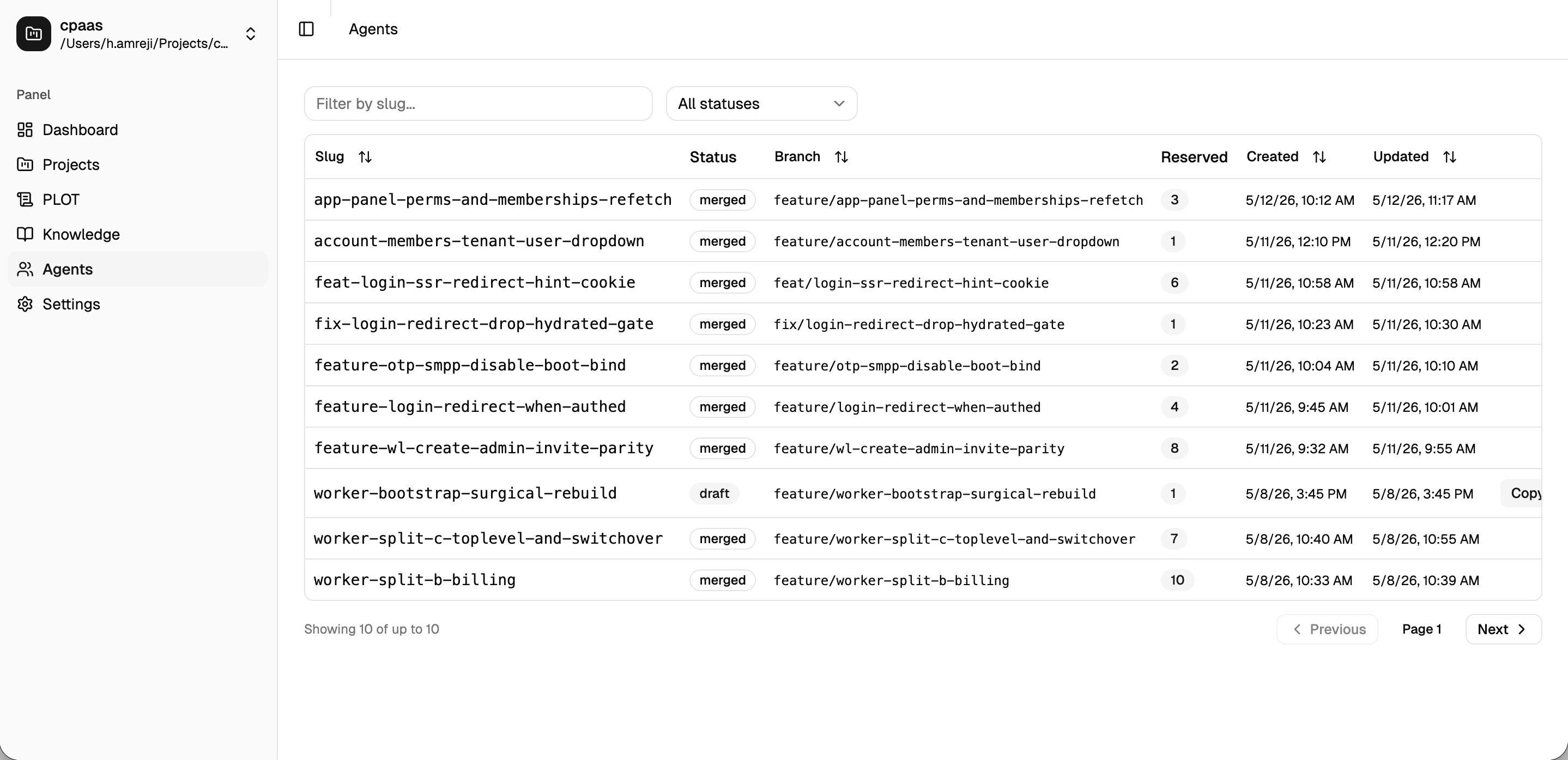
Continuum is an MCP server that provides shared memory and orchestration for multiple coding agents. It creates a centralized knowledge base using SQLite with vector embeddings, allowing different AI clients like Claude Code, Codex, and Cline to share learned experiences and avoid redundant explanations. The server implements a canonical workflow with a 4-phase dispatch protocol (Intake → Research → Verify → Handoff) and maintains a registry of agents to prevent conflicts across git worktrees.
Try asking AI
After installing, here are 5 things you can ask your AI assistant:
When to choose this
Choose Continuum when you need multiple AI agents to collaborate on a long-term project while maintaining consistent knowledge and coordination.
When NOT to choose this
Don't choose Continuum if you're working on short-term, isolated tasks or prefer cloud-based solutions over local-first architectures.
Tools this server exposes
10 tools extracted from the READMEproject_createCreate a new Continuum project for a repository path
plotRead the PLOT.md orchestration protocol for a project
registry_listList active agents with their metadata and reserved paths
agent_getGet detailed information about a specific agent
knowledge_listList knowledge entries by kind (fundamental or situational)
knowledge_getRetrieve the full body of a specific knowledge entry
knowledge_searchSearch knowledge base with natural language queries
knowledge_createAdd a new lesson to the knowledge base
agent_createCreate a new agent with reserved paths and implementation details
agent_updateUpdate an agent's status or information
Comparable tools
Installation
Quick Start with Docker
docker compose -f docker-compose.dev.yml upBare Metal Installation
pnpm install
pnpm dev
Claude Desktop Configuration
Add to ~/.claude.json:
{
  "mcpServers": {
    "continuum": {
      "transport": "streamable-http",
      "url": "http://127.0.0.1:7776/mcp"
    }
  }
}
FAQ
- What is the difference between fundamental and situational knowledge?
- Fundamental knowledge contains project-wide rules loaded on every dispatch, while situational knowledge contains specific insights that are only retrieved when semantically relevant to the current task.
- Can I use custom embedding models?
- Yes, Continuum supports pluggable embedders including Ollama, Hugging Face TEI, and any OpenAI-compatible service via the EMBEDDER_URL environment variable.
Compare continuum with
Last updated · Auto-generated from public README + GitHub signals.